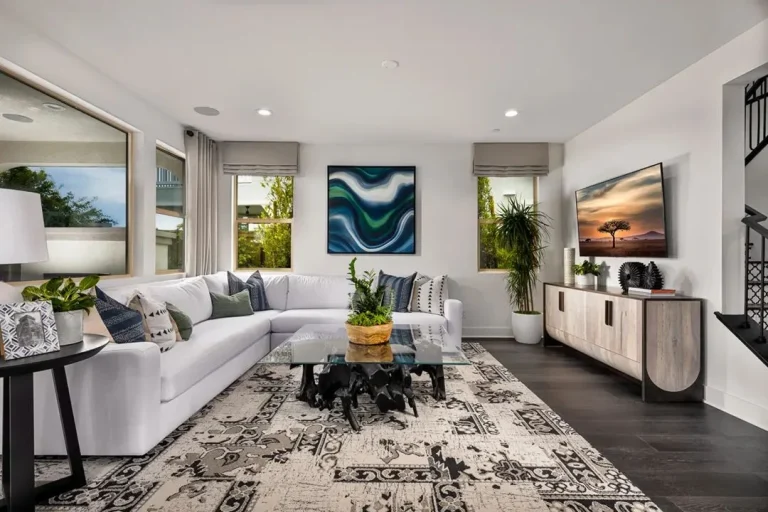
Model Homes That Sell: How Merchandising Drives Sales Pace
Marketing brings buyers to the door. What happens in the next twenty minutes, inside the model, decides whether they write a contract or drive to the next community.


Marketing brings buyers to the door. What happens in the next twenty minutes, inside the model, decides whether they write a contract or drive to the next community.
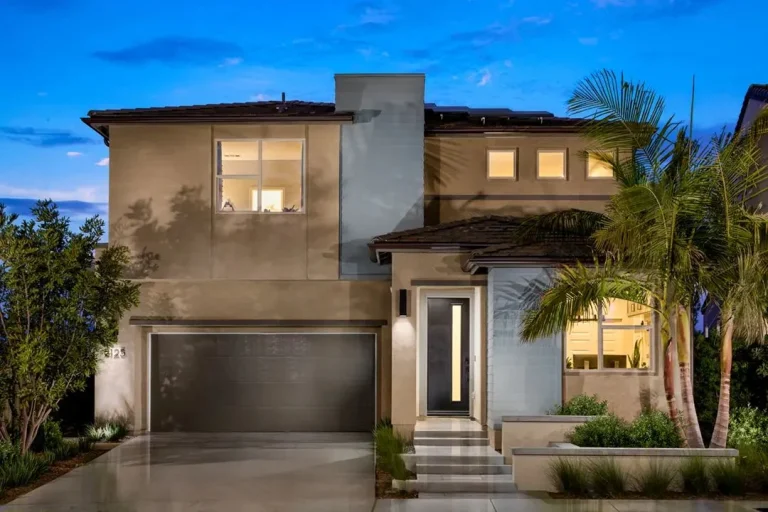
Every plan in a series was drawn with a buyer in mind. The merchandising should make that buyer walk in and think, “This one is ours.”
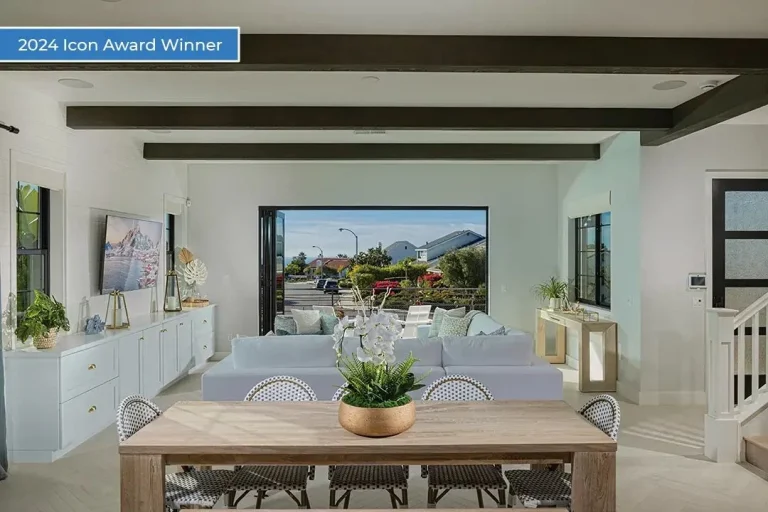
The model shows every upgrade on the price sheet. Buyers only pay for some of them. Knowing which is which changes how you merchandise, and how your design studio appointments go.
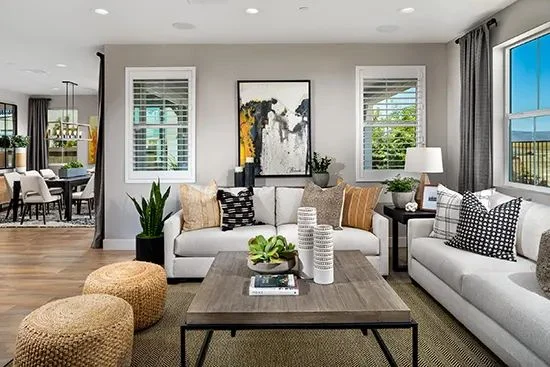
Paint is only one layer. Wood, stone, fabric, metal and light all carry color, and in a model home they have to tell one story that fits the architecture and the place.
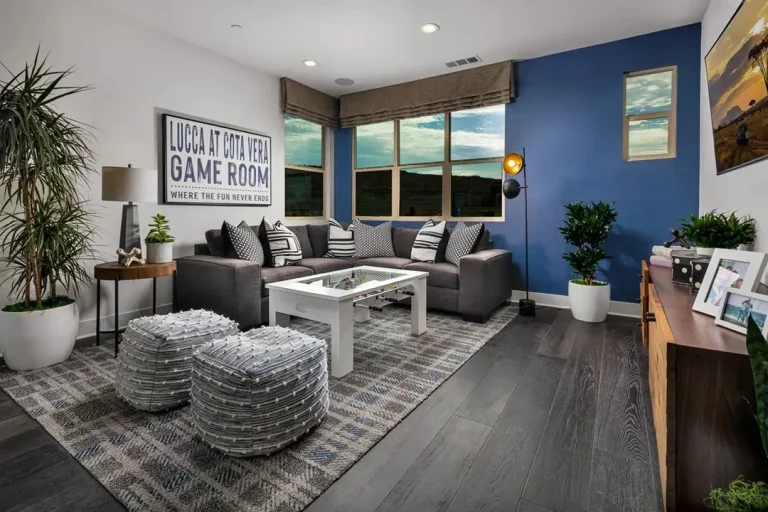
Buyers forget plan numbers by the first stoplight. What they remember is a handful of rooms and moments, and those moments decide who comes back for a second look.
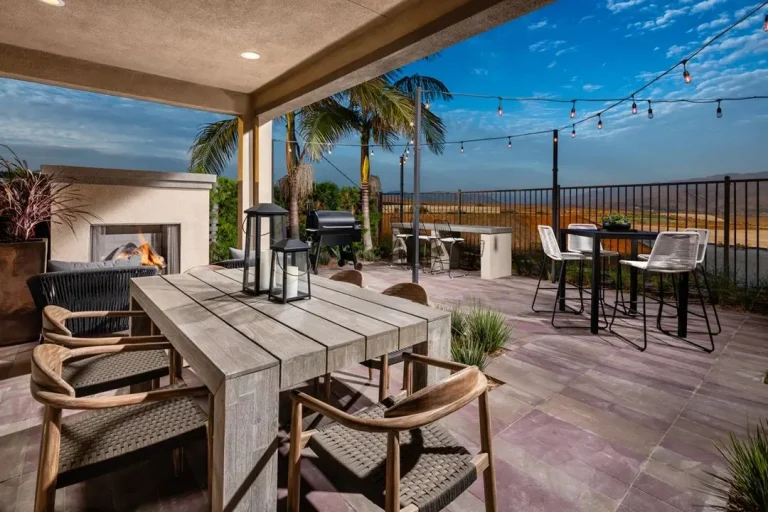
The backyard has become another room on the plan. The landscape belongs to someone else. Making that room feel furnished, connected and worth the square footage is an interior design job.
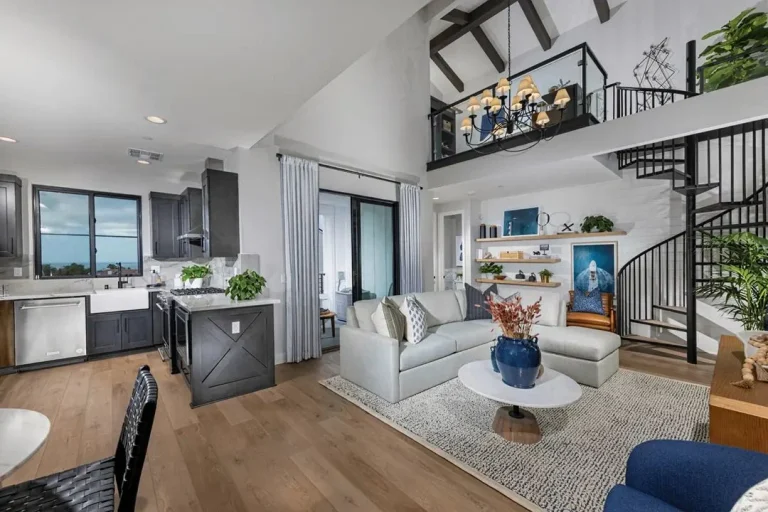
Buyers can’t always say why a model feels old. They just feel it. Here are the finishes and colors that give a model away, and what’s taking their place.
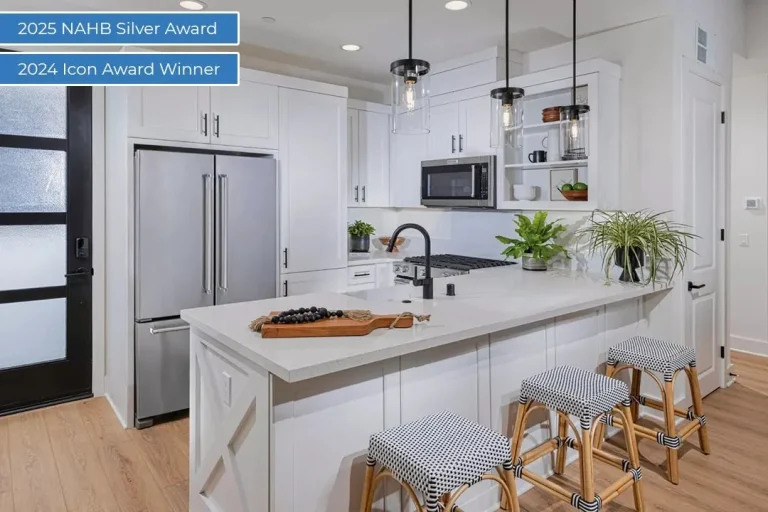
The island top and the wall behind the range get touched and photographed more than almost anything else in the model. Here’s how to choose them so they sell the kitchen and its options.
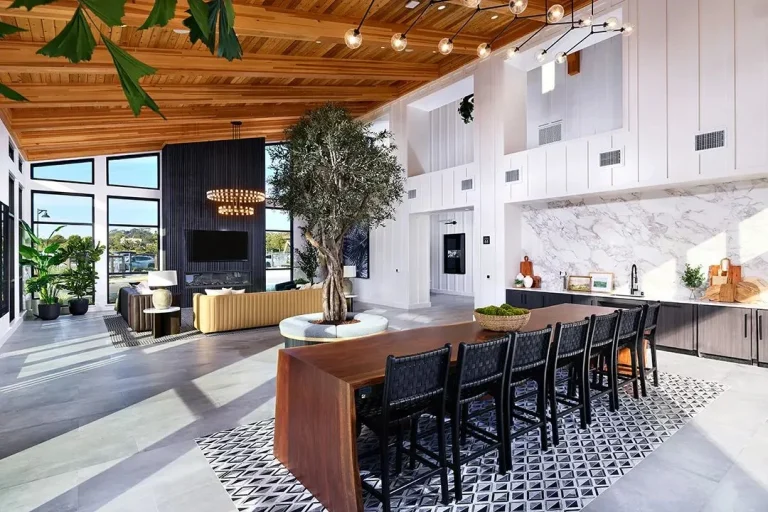
In a master-planned community, the clubhouse sells the lifestyle before the first family moves in. Then it has to keep delivering for the homeowners association for years after the last home closes.
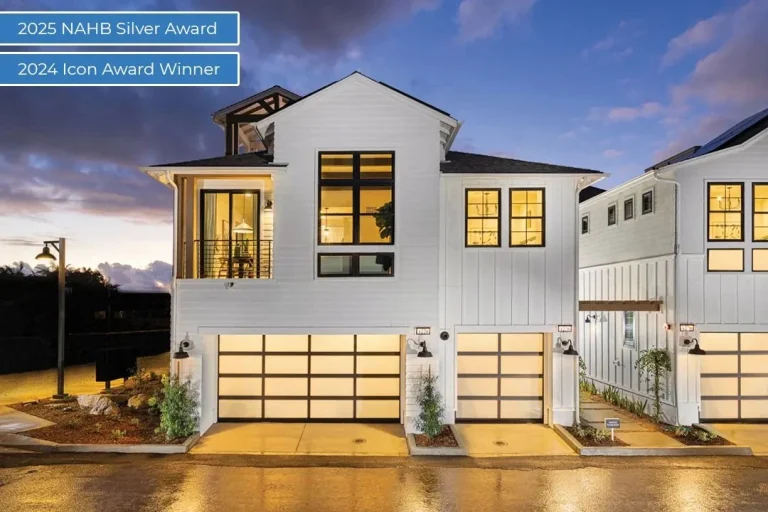
The right model home design firm understands your sales team as well as your floor plans. Here’s what to look for, what to ask and what should make you pause.