Buyers don’t walk into a model and announce that the gray is very 2017. They just get a vague sense that the house is older than it is. Then they start wondering what else is behind the times: the windows, the systems, the builder. A dated look costs more than style points. It costs trust.
After 31 years in interior design, we’ve watched plenty of looks arrive and leave. Here’s what reads as dated to us right now, and what’s replacing each one. A caveat first: dated doesn’t mean bad. Most of these were the right call when they went in. Tastes moved.
Gray everything
For about a decade, gray was the safe choice: gray walls, gray floors, gray cabinets, gray sofa. All together, it now reads cold and a little tired. The 1stDibs 2026 designer survey found white, slate gray and black have all slid into single digits among the colors designers cite.
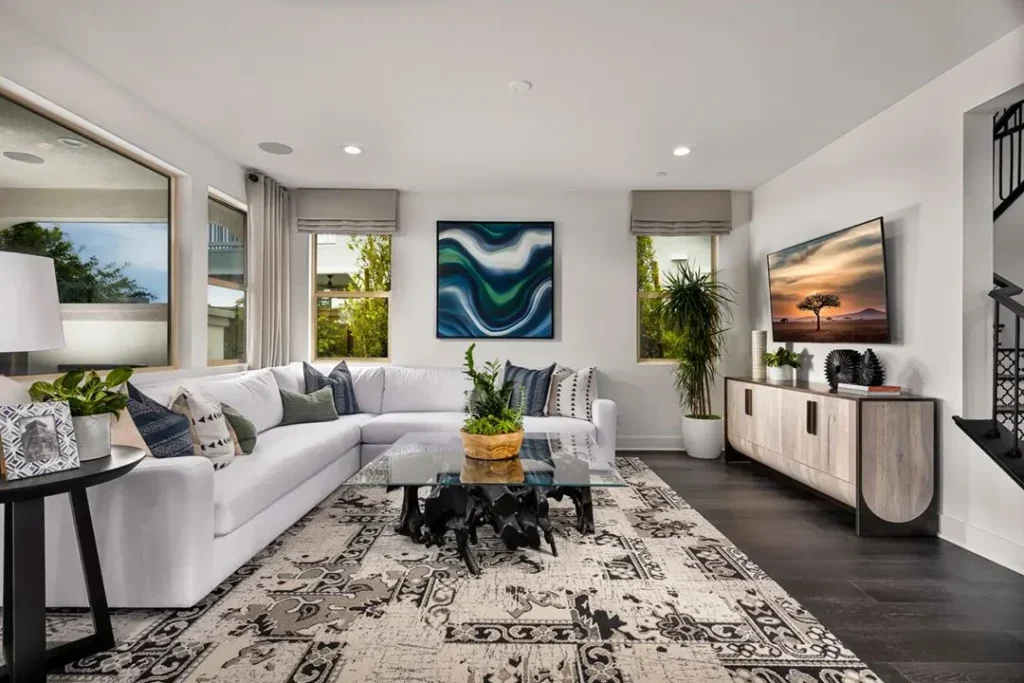
What replaces it: warm neutrals with some depth, wood tones and soft greens. The NAHB roundup of 2026 colors of the year leaned the same way, with picks like Valspar Warm Eucalyptus and Glidden Warm Mahogany and a clear theme of warm neutrals, rich hues and sophisticated greens.
All-white everything
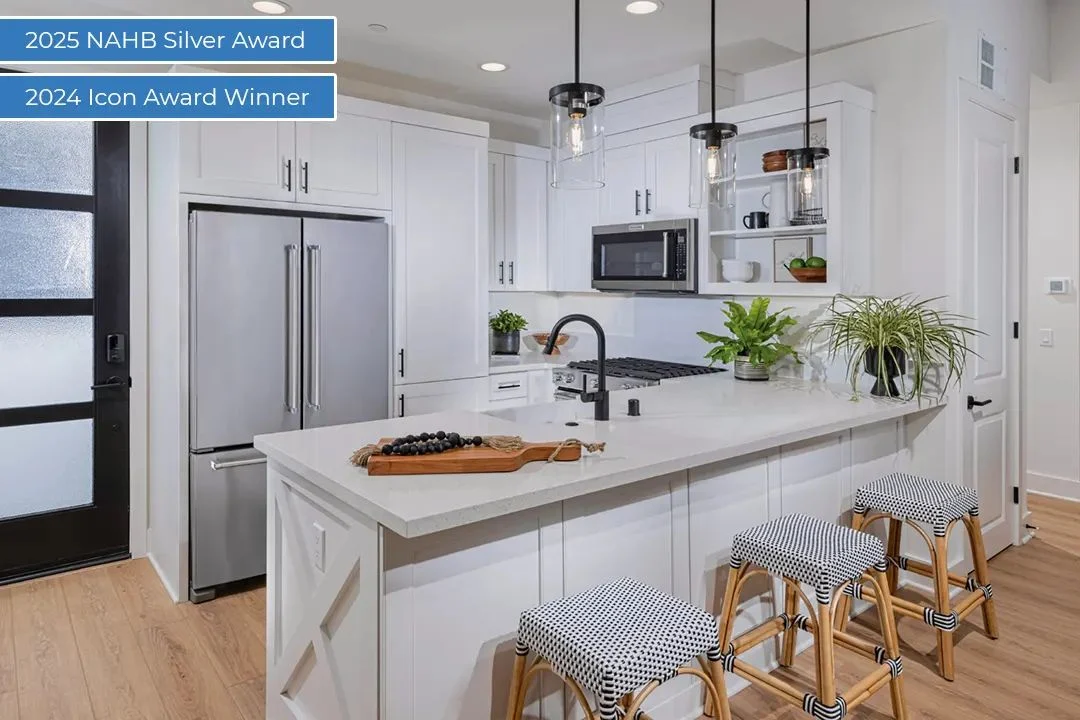
White cabinets are not the problem. A 2026 Zonda survey of single-family buyers, presented at the International Builders’ Show, found white cabinets still lead, and quartz leads countertops. The problem is when everything is white: walls, cabinets, counters, tile, sofa, bedding. It photographs flat and feels like a showroom.
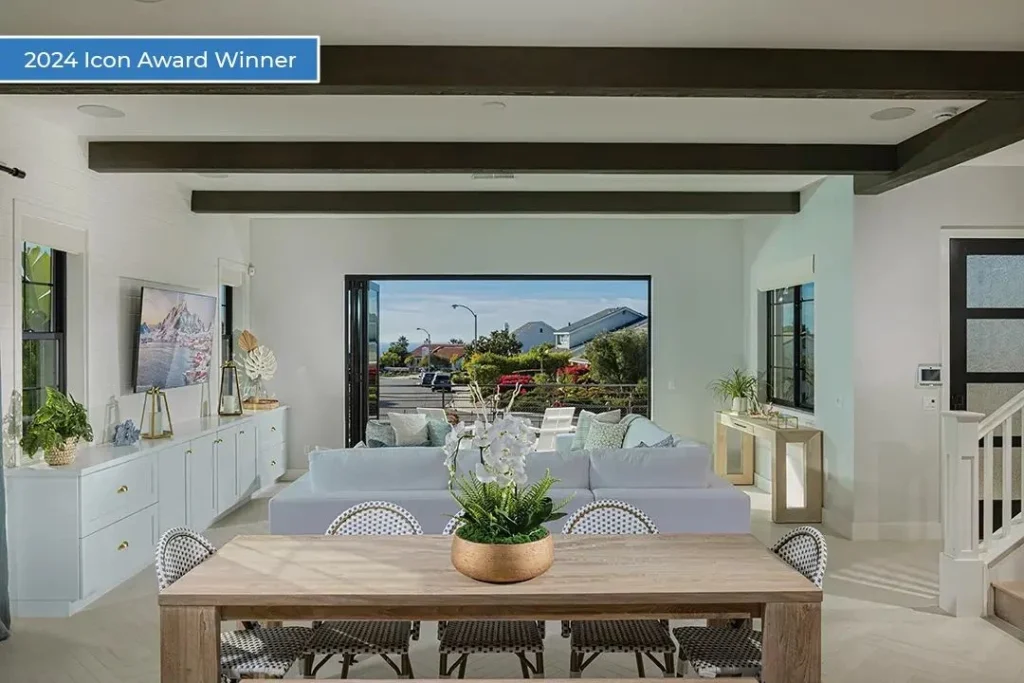
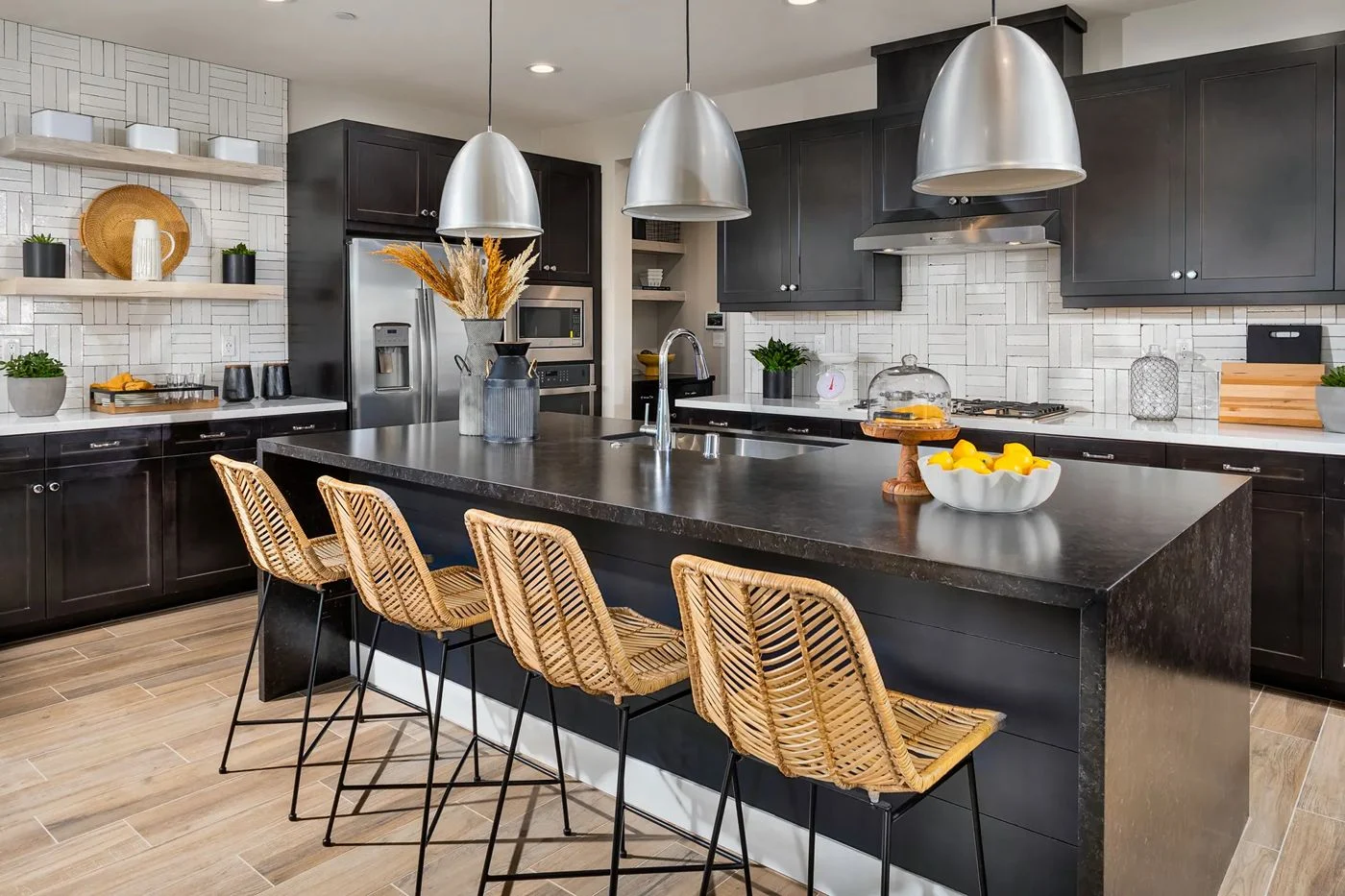
What replaces it: keep the white cabinets if your buyer wants them, then add warmth around them. A wood island or open shelf, a warm white on the walls instead of a stark one, woven textures, a warm metal. The kitchen still feels light, but it feels like someone’s home.
Heavy farmhouse
Shiplap on every wall, barn doors on every opening, galvanized buckets, a wreath on every door. Farmhouse earned its run, and in the right architecture it still works. The heavy version, where every room is part of the theme, now reads like a time stamp.
What replaces it: a lighter touch that follows the architecture. If the elevation really is farmhouse, keep a few honest details and let the furniture be cleaner. If it isn’t, skip the theme. The same Zonda survey found about 54% of buyers prefer modern or somewhat modern interiors, so a warm modern look is usually the safer bet.
Tan and flat beige
Tan is having a rough stretch. The 1stDibs survey found it has lost about two-thirds of its popularity since 2023. The flat, yellowish beige found in a lot of older models is the version that hurts most.
What replaces it: richer browns and earth tones. Chocolate brown was the most-cited color in that same survey at 33%, up from 17% in 2022. You don’t need brown walls to get there. A leather chair, a walnut table or a deep brown pillow can carry it.
Word-art signs
“Gather.” “Blessed.” “Live, laugh, love.” Signs that tell buyers how to feel are one of the fastest ways to date a model, and they show up in listing photos more than anyone intends.
What replaces it: real art. Framed photography of the local landscape, abstract pieces in the palette, a few vintage finds. Zillow’s 2026 Home Trends report found listing mentions of vintage accents up 17% and whimsical touches up 15%, so a little personality is welcome. It just shouldn’t spell itself out.
Dated doesn’t mean wrong. It means the buyer can guess what year you made the decision.
Overly matched sets
The bedroom where the bed, nightstands, dresser and mirror all match. The sofa, loveseat and chair in one fabric. It used to signal “finished.” Now it reads as one trip to one store.
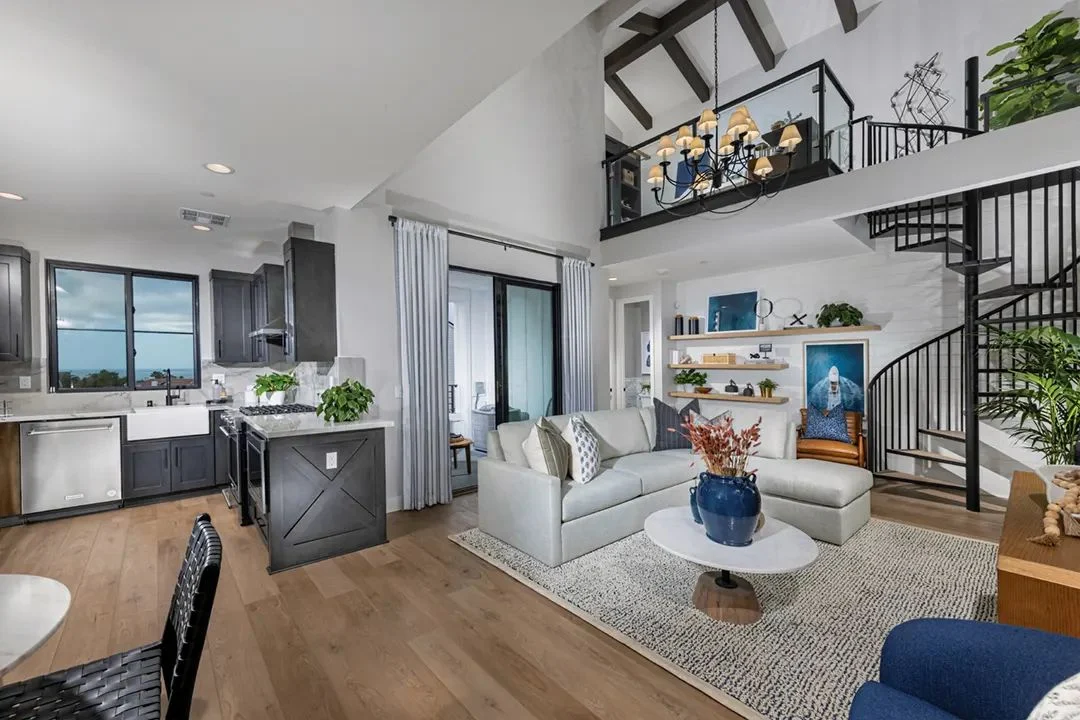
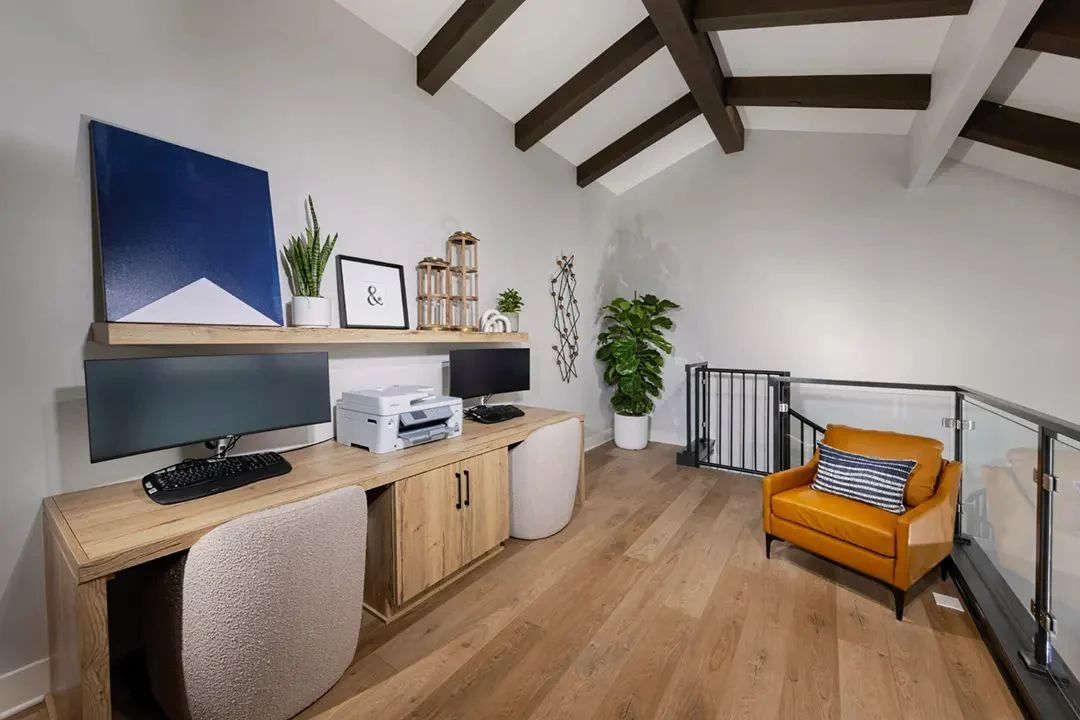
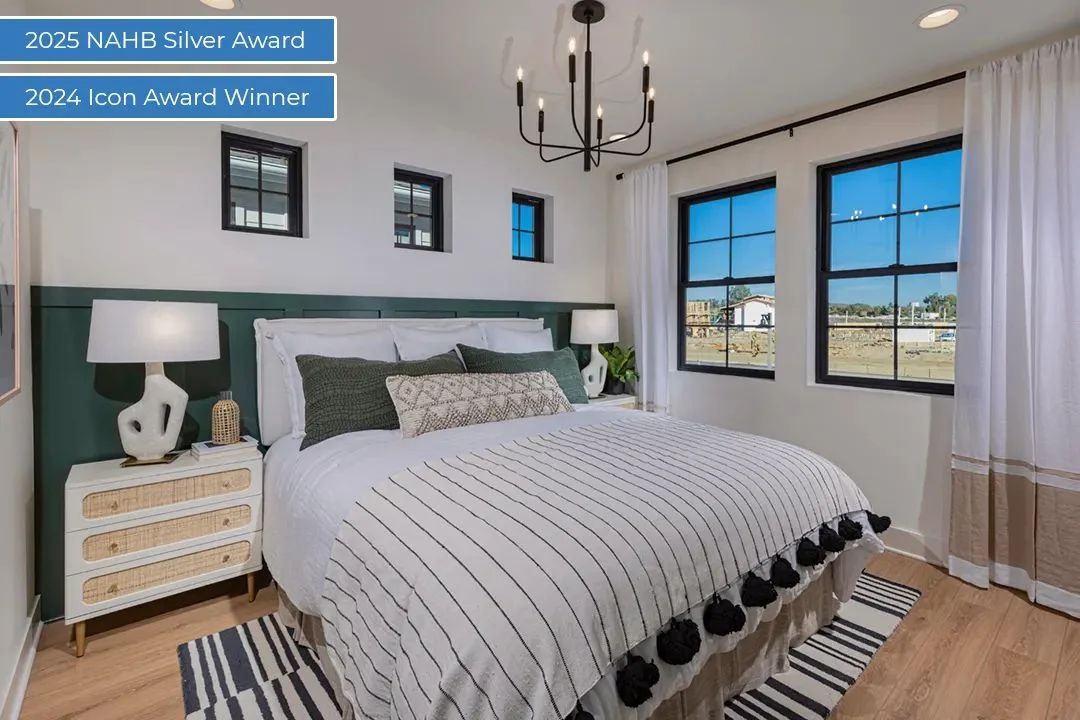
What replaces it: a collected look. Mix two wood tones that get along. Pair a sofa with chairs in a different fabric. Bring in a curved piece: in the 1stDibs survey, curvy and irregular furniture shapes led at 43%.
Quick swaps
A few smaller tells, and what we’d reach for instead:
| Reads as dated | Reads as current |
|---|---|
| Navy as the only bold color | Warmer, brighter blues |
| One metal finish in every room | Two metals that sit well together |
| Accessories on every surface | Fewer, larger pieces with room to breathe |
| One loud accent wall | A small room drenched in one color |
| Undersized furniture | Pieces scaled to the room |
The blues line comes from Houzz, which reported a move away from navy toward vibrant, warm blues at the spring 2026 High Point furniture market. Color drenching is backed by Zillow, which found listing mentions up 149% year over year. On accessories, a recent Builder magazine piece pointed out that too many look cluttered in photos and that undersized furniture makes rooms look smaller.
Fixing a model that’s already open
The good news is that most of these live in the easy pieces: paint, art, accessories, pillows, bedding, lamps and rugs. Those can change in a few days without touching construction, and they’re where most of the dated feeling comes from.
A practical order:
- Edit first. Pull out word-art, extra accessories and anything that matches too perfectly. It costs nothing.
- Warm it up. Swap cool gray textiles and pillows for warmer colors and natural textures.
- Repaint key rooms. Entry, great room and primary suite give the most return for the effort.
- Replace furniture last. Upholstery is the expensive part. Budget for it honestly: a 25% tariff on imported upholstered furniture, kitchen cabinets and vanities has been in place since October 2025, according to Empower.
Bigger finishes like flooring, cabinets and counters are a builder and design studio conversation. If a later phase is coming, that’s the right time to bring them up.
Don’t trade one trend for the next
There’s a trap here. Chocolate brown on every wall in 2026 could be next decade’s gray. The smart move is to let current color and texture live in the pieces that are easy to change, and keep the expensive surfaces calm enough to outlast the community.
The short version
- Gray everything, all-white rooms, heavy farmhouse, flat tan, word-art and matched sets now date a model.
- Warmer neutrals, wood tones, real art, a collected mix and warmer blues are taking their place.
- Fix it in the easy pieces first, and keep new trends out of the expensive surfaces.
A model doesn’t have to be the newest thing in town. It just can’t look like it stopped paying attention.
Our question for youWhich room in your current models would you refresh first if you had one weekend?