
Study space is the amenity everyone agrees on. Students want it. Parents ask about it. The pro forma assumes it. And yet a lot of study rooms end up as the quietest room in the building, for the wrong reason.
The reason is usually simple: the room was designed for one kind of studying, and students study in about four different ways.
Students don’t study one way
Watch a building during midterms and you’ll see it. Some students want total silence. Some want a low hum of people around them. Some are working on a group project and need to talk. Some are on a video call for class. A single room with one big table can’t serve all of them, so most of them go somewhere else.
Design for the modes, not for the label on the door.
| Study mode | What it needs | Where it works |
|---|---|---|
| Social study | Background noise, big tables, coffee nearby | Edge of the lounge or cafe |
| Focused solo work | Quiet, individual seats, task light | A separate room or a tucked-away corner |
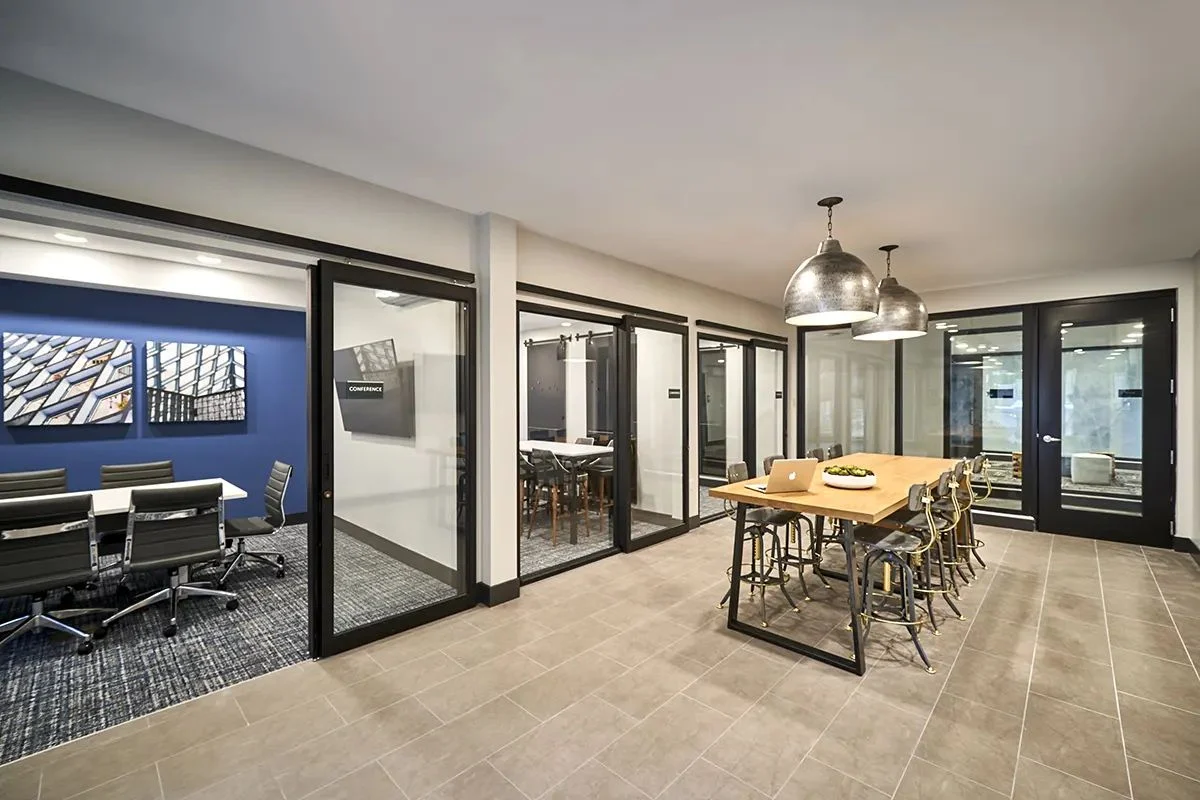
| Group work | A table for four to six, a screen, a closable door | Small bookable rooms |
| Calls and video classes | Acoustic privacy, a clean backdrop, good light on the face | Phone booths or small rooms |
You don’t need a huge footprint to cover all four. You need a few well-planned zones that match how the building actually gets used.
Power is not optional
If there’s one thing that empties a study room, it’s a dead laptop. Every seat needs power within easy reach, and not a single outlet on the far wall behind a sofa.
- Put power and USB at the table, in the table or in the floor below it.
- Add outlets at lounge seating, since students will study there anyway.
- Plan charging for phones and tablets near the entry to each room.
- Coordinate all of it with the electrical engineer early, while it’s still cheap to move a box.
This is one of the easiest early-design wins there is. Adding power on paper costs little. Adding it after the slab is poured costs a lot more and looks like an afterthought.
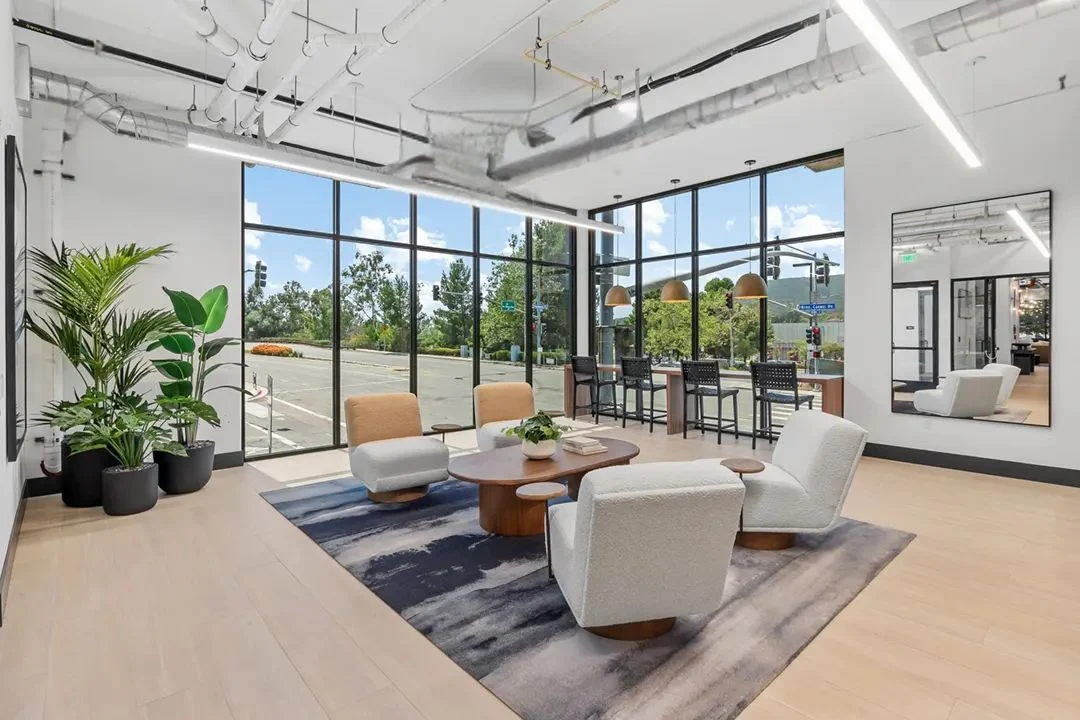
Light, sound and seating
Light. Overhead light alone is tiring over a long evening. Layer it: good general light, task lamps or under-shelf lights at the tables, and daylight where you can get it. Avoid glare on screens by thinking about where windows and fixtures sit relative to the seating.
Sound. Hard, echoey rooms are miserable to study in. Acoustic ceiling panels, upholstered seating, rugs and soft wall surfaces take the edge off. For group rooms, solid doors and sealed walls matter more than decor.
Seating. Give people choices. Tall tables for the students who like to stand, a long communal table for social study, a few soft chairs with a side table for reading, and booths for small groups. Chairs need to be comfortable for more than an hour. If a chair looks great and hurts after 45 minutes, students vote with their feet.
A study room gets used when it’s comfortable at midnight, not when it looks good at the ribbon cutting.
Where to put it
Placement quietly decides whether a study space works.
Near the action, but not in it. Social study works best at the edge of a busy area. Focused study wants a buffer: a hallway, a door or a floor change between it and the game room.
Visible from the path. Students use rooms they walk past. A study lounge tucked behind a locked door at the end of a corridor becomes a storage room with nice chairs.
Open late, secure all night. Plan access control so the room can stay available around the clock without becoming a security worry.
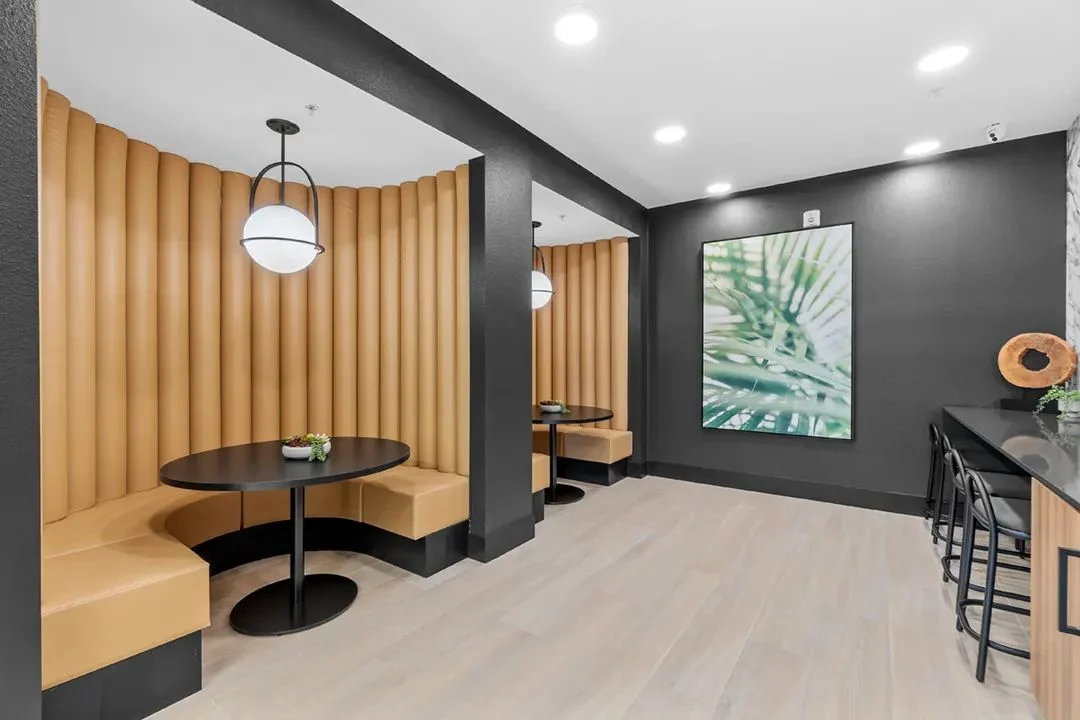
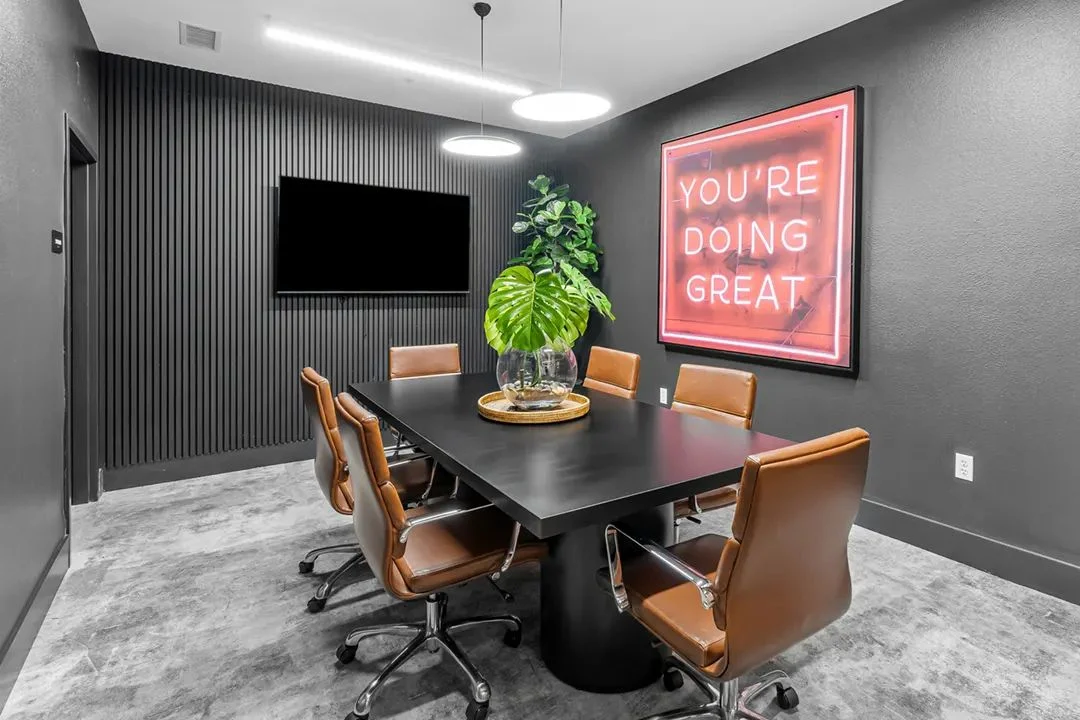
Built for finals week
Study rooms get their heaviest use in short, intense bursts. Everything gets pushed around, sat on and spilled on at once. That means:
- table tops that resist coffee rings and marker
- chairs with commercial frames and cleanable seats
- edges and corners that stand up to backpacks
- whiteboard surfaces that actually erase clean
- finishes that still look good after the summer turn
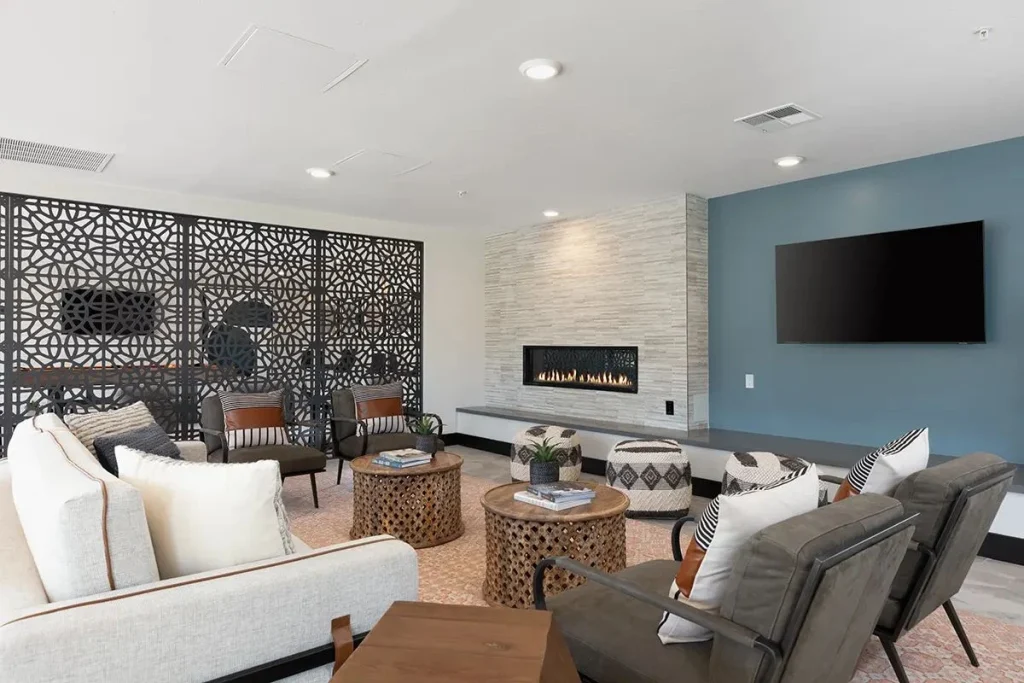
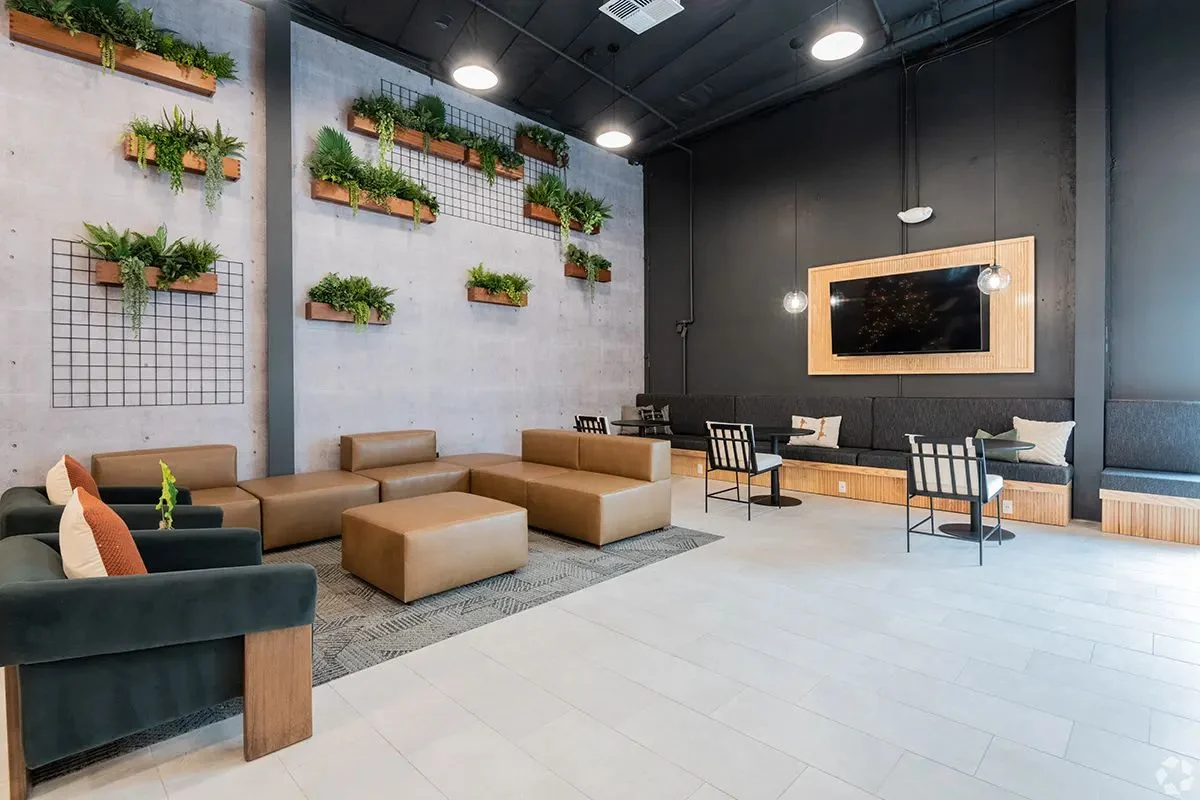
It should also feel like a place people want to be, not a testing center. Like a home, not a facility. Warm wood tones, good lamps, a little greenery and some art go a long way toward making a room students choose.
Don’t forget the bedroom desk
Common study space is only half the picture. Many students still do most of their work in their own room. A real desk, a supportive chair, a good task light and power in the right spot make the unit itself a study space. On a tour, that’s exactly what parents look for.
We’ve been designing places people live and work since 1995. The best study spaces we’ve done aren’t the biggest. They’re the ones planned around how students actually behave.
Walking a building at midnight during finals and finding every study seat taken is one of our favorite small victories.