
Almost every apartment developer we work with runs some version of a tiered finish program. Base units, upgraded units, premium units. Sometimes they’re called classic, select and signature. The names change. The question doesn’t: does the better package earn back what it costs?
We won’t give you a rent premium number, and honestly, you should be skeptical of anyone who does. The premium a finish earns depends on your submarket, your comp set, your floor plan mix and what’s leasing down the street this quarter. What we can share is how we think about building the tiers, because what we see separate the buildings that hit pro forma rent from the ones that don’t is usually the logic behind the tiers, not the tiers themselves.
Start with what renters actually notice
Renters don’t read spec books. On a tour, they notice what they touch and what catches the light. That’s where finish dollars do the most work.
High-impact touch points:
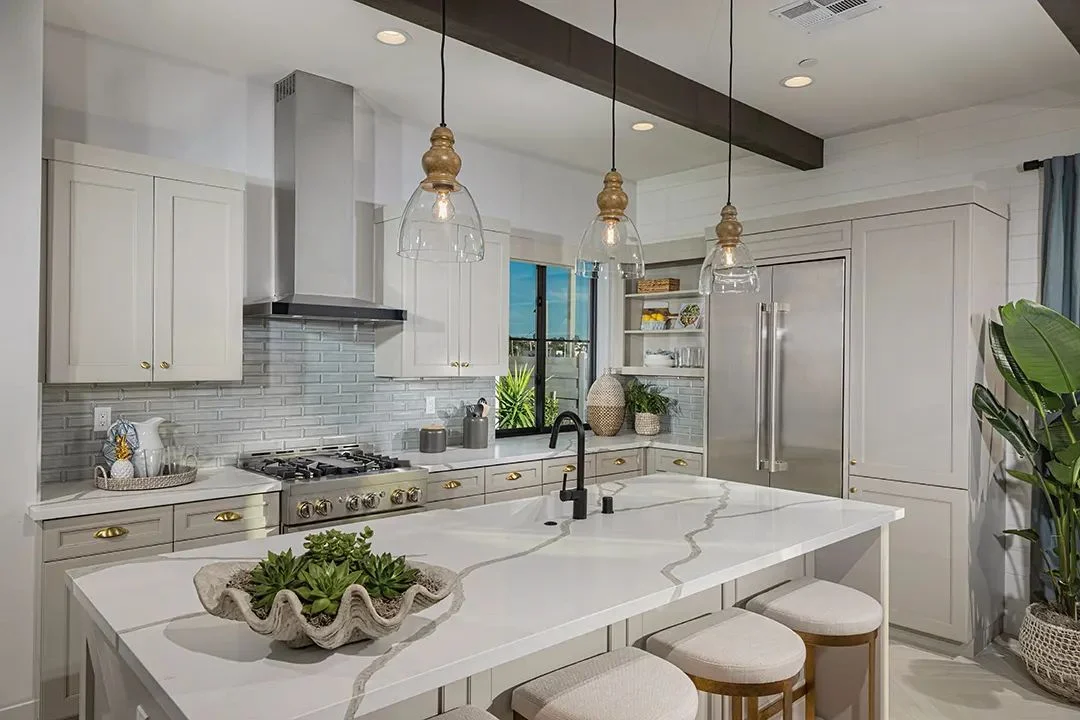
– Kitchen counters and backsplash
– Cabinet door style and hardware
– Flooring in the main living area
– Kitchen and bath lighting
– Plumbing fixtures at the kitchen sink and shower
– Appliance finish
Lower-impact, but still important for operations:
– Cabinet box construction
– Closet systems
– Interior door style
– Paint finish and color
The first list drives perception on the tour. The second list drives durability, turn cost and maintenance calls. Both matter. They just matter to different people on your team.
What typically separates the tiers
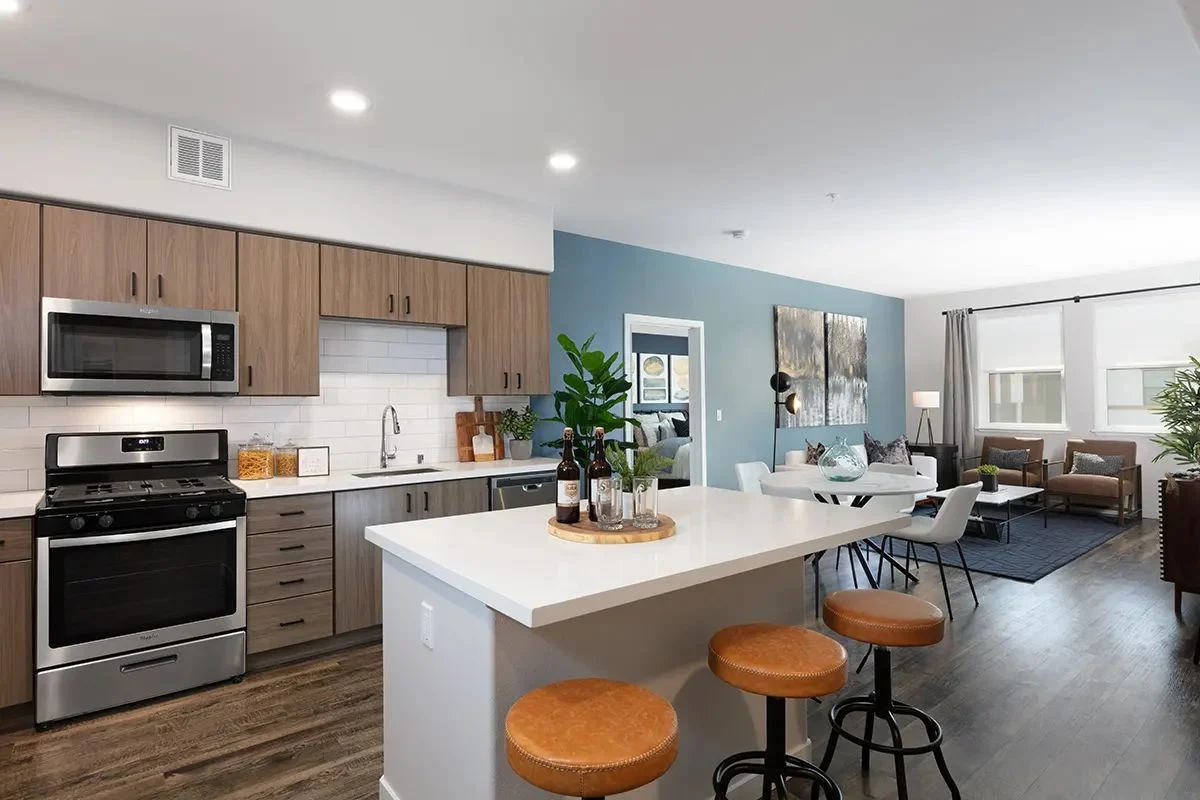
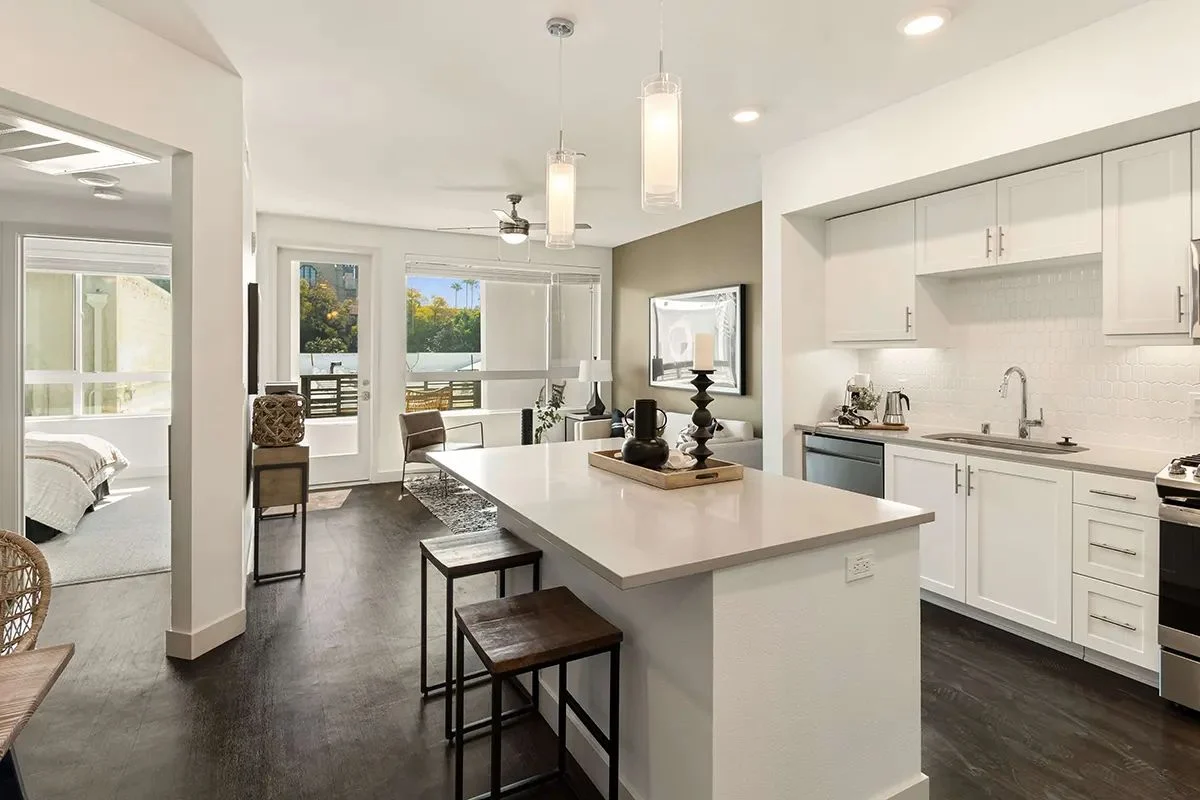
| Element | Good | Better | Best |
|---|---|---|---|
| Counters | Durable solid surface or entry quartz | Quartz with a stronger pattern | Quartz with waterfall edge or full-height backsplash |
| Cabinet fronts | Clean slab or simple shaker | Upgraded color or two-tone | Custom color, integrated pulls, upper cabinets and shelves |
| Flooring | Quality LVT | LVT with a wider plank or better texture | Upgraded LVT and tile in bathroom |
| Lighting | Standard fixture package | Pendants at the island | Layered lighting with under-cabinet and decorative fixtures |
| Plumbing | Reliable standard fixtures | Upgraded finish and style | Designer finish, rain shower head, pull-down kitchen faucet |
| Hardware | Standard finish | Coordinated finish upgrade | Statement finish throughout |
These are starting points. The right tiers for a Silicon Valley mid-rise and a suburban Sacramento garden community will look different, and they should.
How to think about the rent side
Since we’re not going to hand you a number, here’s the framework we use with development teams.
Price the upgrade against the comp set, not against the base unit. A premium tier only earns a premium if it’s visibly better than what the competition offers at that price. If the building across the street has quartz waterfalls in every unit, your “best” package is really just “competitive.”
Match tiers to units that already command more. Top floors, corner units and view units are where renters expect to pay more. Putting the best package there reinforces a premium the unit already has. Putting it in an interior unit on the second floor asks the finish to do all the work alone.
Think in payback, not just first cost. Divide the added cost of the upgrade by the added monthly rent your leasing team believes it supports, and you have a payback period. Then compare that to how long the finish will look good. If the payback is longer than the finish’s useful life, the math doesn’t work.
Test before you commit portfolio-wide. If you build continuously, try a tier split on one project and track leasing velocity and achieved rent by tier. Your own data beats anybody’s rule of thumb.
Remember renewals. A finish that looks great on the tour but wears badly by year three hurts retention. The best tier should also be the one that ages best.
The best finish tier is the one that earns its premium on the tour and still looks right at the third renewal.
The durability side of the equation
The base tier deserves more attention than it usually gets. It’s the majority of the building. It’s where turn costs pile up. A base package with a solid flooring wear layer, durable counters and a cabinet door that doesn’t chip keeps operations happy and keeps the unit leasable year after year.
We would rather see a strong base package and a modest premium tier than a weak base and a flashy top. The former protects the whole rent roll. The latter protects a handful of units.
Keep the tiers visually related
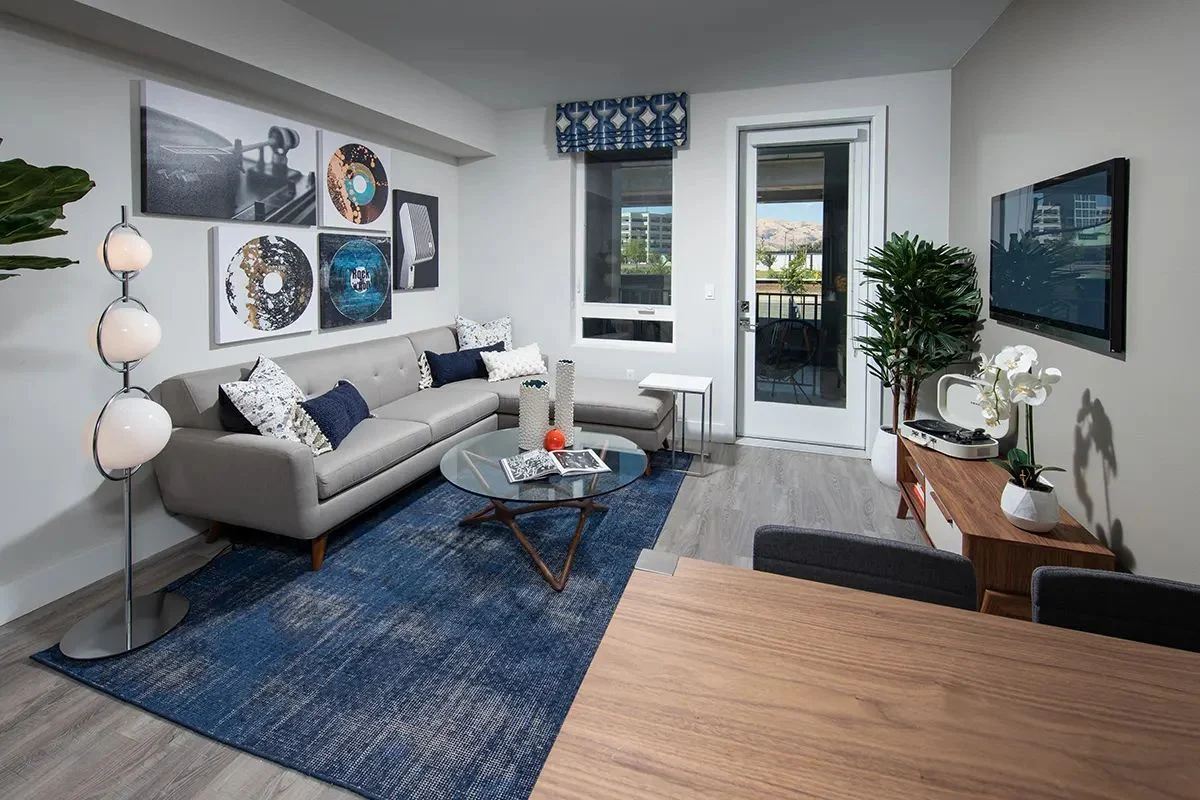
A tiered program works best when every tier feels like the same building. Same design language, same color family, same quality of light. The upgrades should read as “more,” not as “different.” That keeps the brand consistent from the lobby to the smallest unit, and it makes the model easier to present because every tier tells the same story.
Our approach
After 31 years and more than 1,500 projects, we’ve learned to build finish programs alongside the leasing strategy, not after it. We work with development and asset management to decide which units carry which tier, then design packages that are distinct on the tour, consistent in style and tough enough for the long haul. When the finishes are specified early and documented clearly, the tiers also bid cleanly, which keeps the GC from turning your premium package into a value engineering target.
The short version
- Spend finish dollars where renters touch and see, and protect durability where operations lives.
- Judge a premium tier against the comp set and its payback period, not just first cost.
- Test tiers with your own leasing data and keep every tier visually related.
We genuinely enjoy the finish package conversation. It’s where design and the pro forma sit at the same table.