Every model home is an upgrade showcase. That’s part of the deal. But anyone who has sat in on a design studio appointment knows the uncomfortable truth: buyers fall in love with the model, then spend their options budget on a fraction of what they saw.
That’s not a problem. It’s information. Since 1995, across 1,500 projects, we’ve seen a steady pattern in what buyers reach for and what they let go.
The two kinds of upgrades
Before getting into specifics, it helps to split options into two buckets.
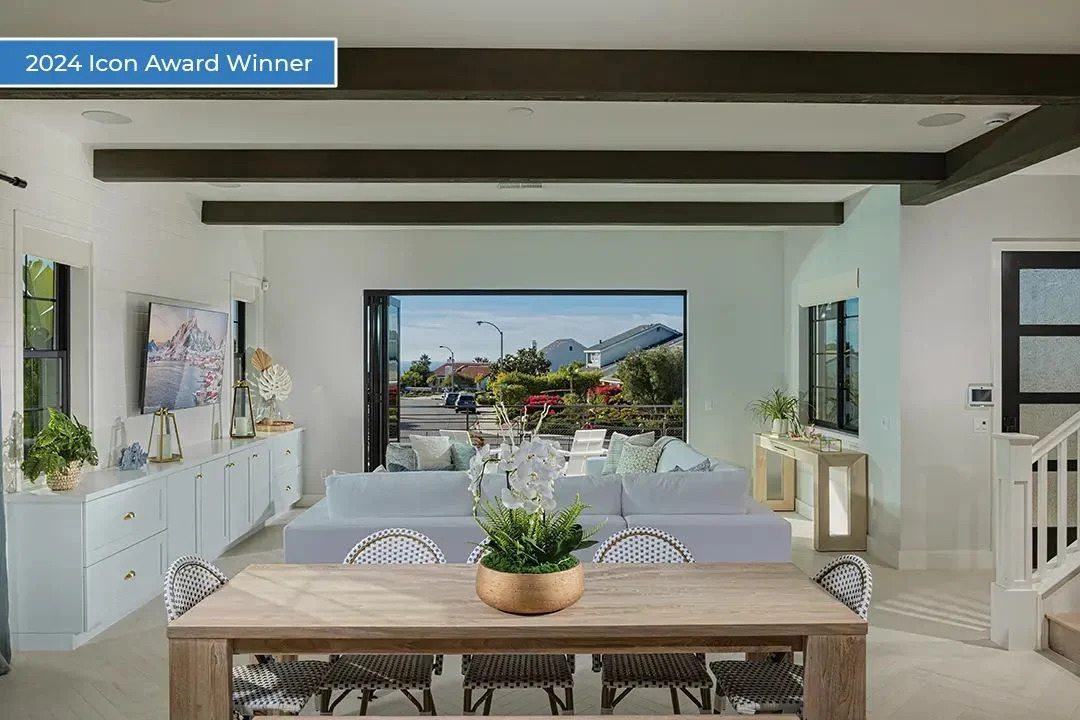
Structural options. Things that change the house itself: a bedroom in place of a loft, an extended covered patio, a multi-slide door, a downstairs suite. These have to be chosen early because they change what gets built.
Design studio options. Finishes and fixtures: cabinets, counters, flooring, tile, plumbing fixtures, lighting packages. These are chosen later and are where most of the back-and-forth happens.
Buyers treat these very differently. Structural options change how they’ll live, so they’re easier to justify. Design options change how the house looks, which buyers know they can adjust later, at least in theory.
What buyers usually pay for
In our experience, the upgrades that get chosen tend to share one trait: they’re hard or messy to change after move-in.
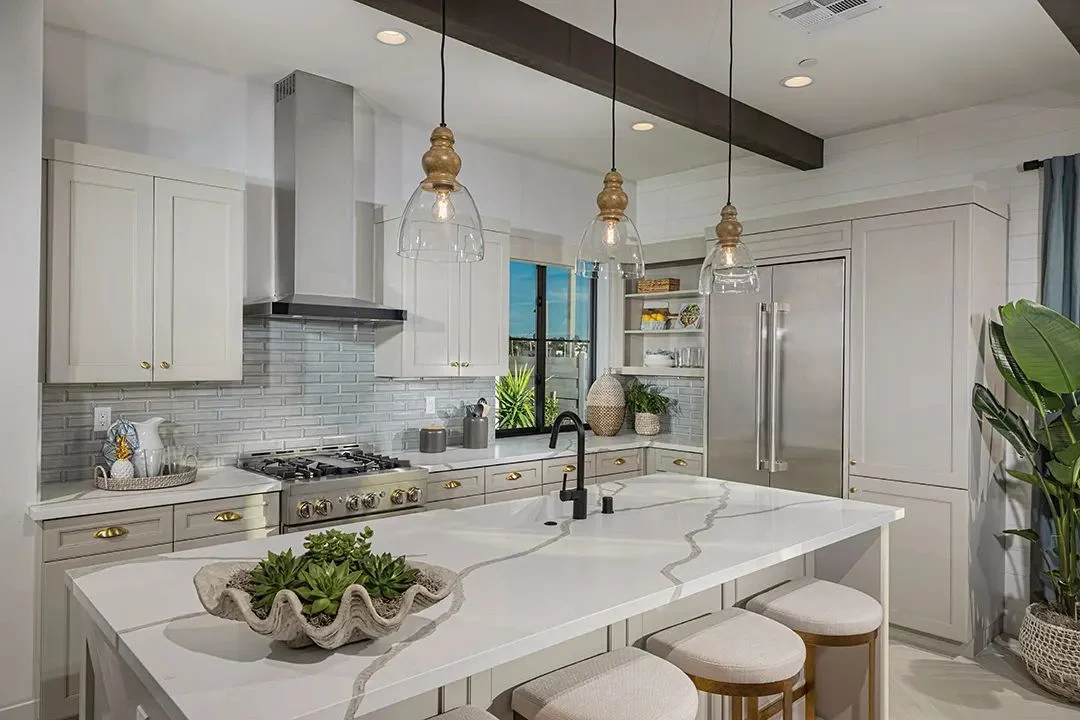
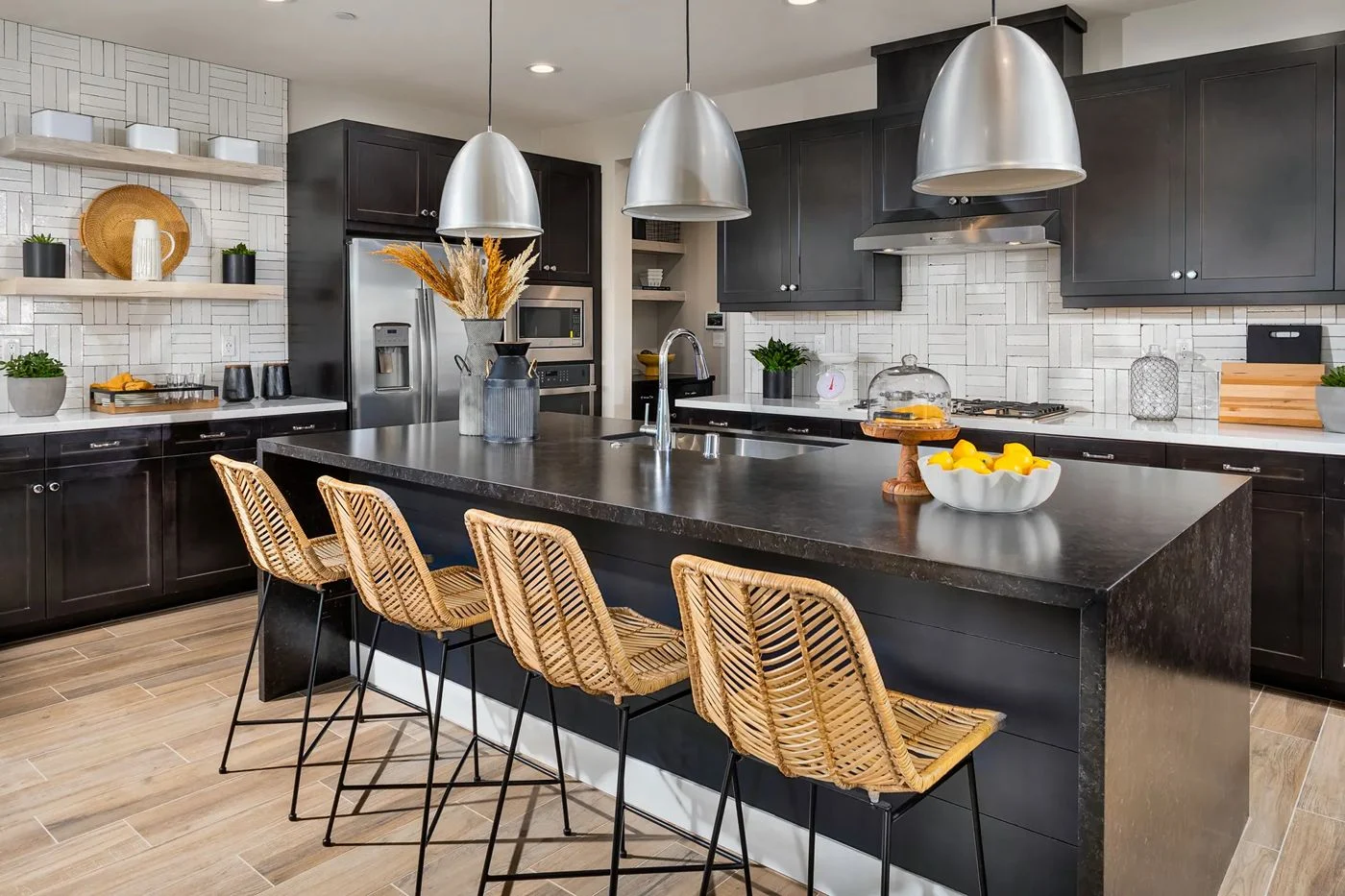
- Kitchen cabinets and counters. It’s the room everyone judges, and ripping out cabinets later is a nightmare. Buyers stretch here.
- Flooring in the main living areas. Replacing floors after the furniture arrives is miserable, so buyers often upgrade up front.
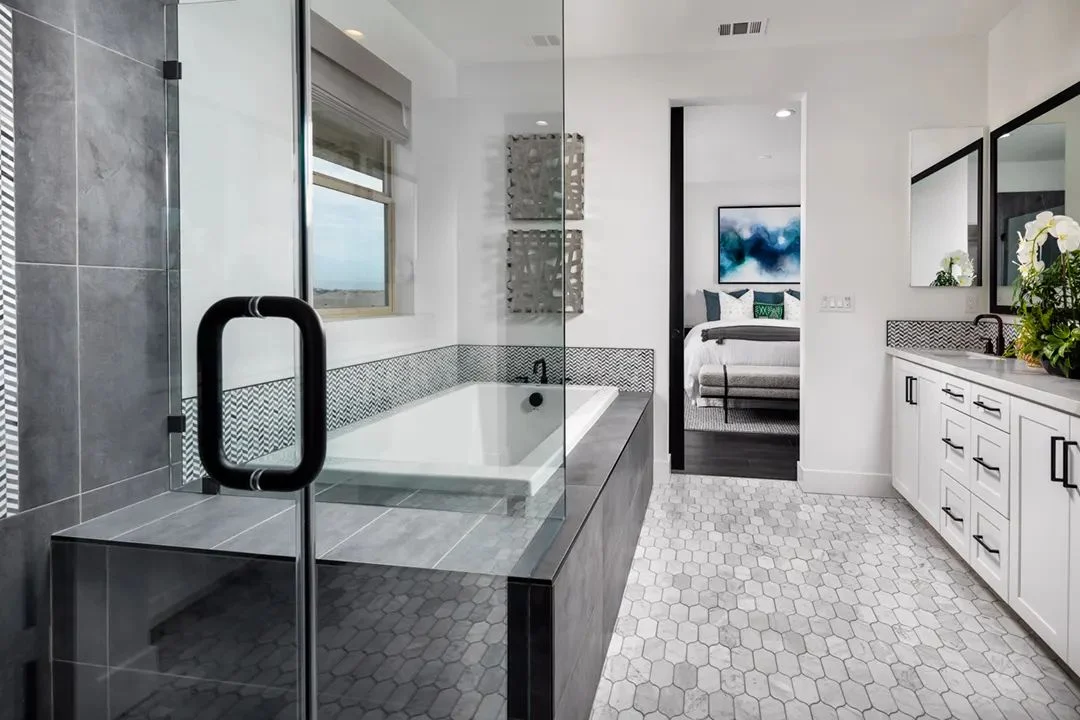
- The primary shower. A larger shower, better tile, a bench. It’s a daily luxury and a big mess to redo.
- Structural options that add living space. Covered outdoor rooms, larger sliding doors, extra bedrooms or offices.
- Electrical and low-voltage prewire. Extra outlets, ceiling fan and TV prewire, EV charging readiness. Cheap during construction, painful afterward.
- Storage. Walk-in pantries, garage storage, closet upgrades. Nobody has ever complained about too much storage.
What buyers often skip
The upgrades that get passed over tend to be easy and cheap to change later, or deeply personal.
- Paint colors. Buyers assume they’ll repaint, and they’re usually right.
- Decorative light fixtures. Many buyers plan to swap pendants and chandeliers to their own taste.
- Cabinet hardware. Easy weekend project. Rarely worth a premium to them.
- Secondary bath upgrades. The kids’ bath and the powder room often stay standard.
- Bedroom carpet upgrades. Nobody tours a model and falls in love with carpet pad.
- Window coverings. Buyers know they can shop around.
Buyers pay for the things that would be a mess to change later. They skip the things they can fix with a weekend and a screwdriver.
How this changes the way we merchandise
If buyers mostly pay for certain upgrades, the model should make those upgrades impossible to miss and easy to understand.
| Upgrade | Why buyers pay for it | How to show it in the model |
|---|---|---|
| Kitchen cabinets and counters | Hard to change, the room that sells the house | Style the island for real use, keep counters mostly clear so the stone shows |
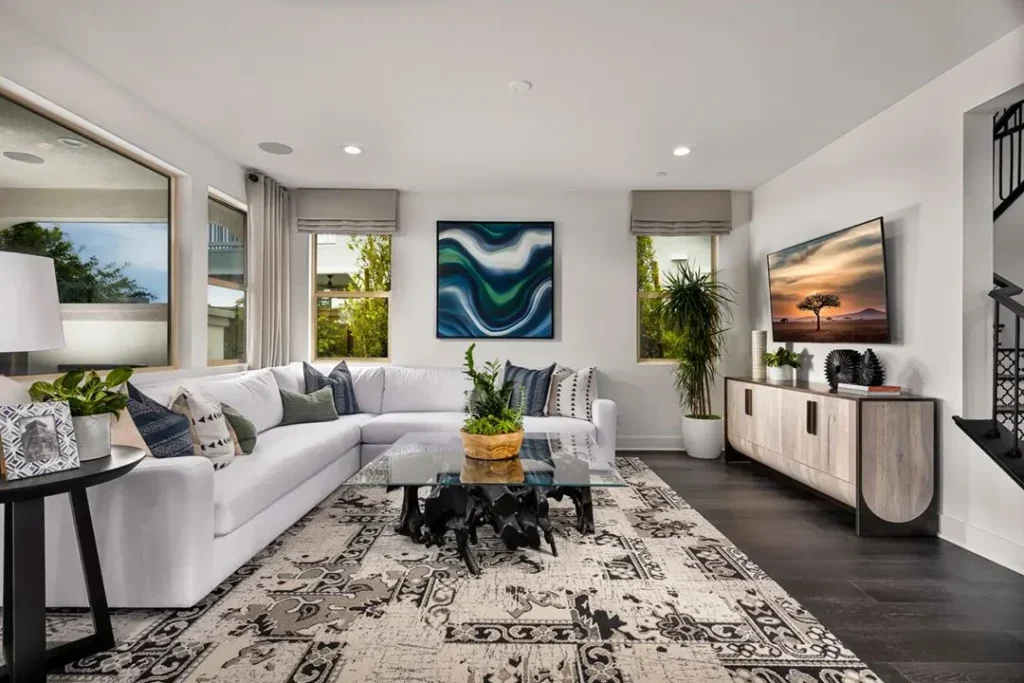
| Main-floor flooring | Messy to replace after move-in | Use rugs that reveal plenty of floor instead of covering it |
| Primary shower | Daily luxury, big remodel later | Light it well, add a towel and a stool, let the tile be the star |
| Covered outdoor room | Adds real living space | Furnish it like a living room, not a patio set |
| Prewire and outlets | Cheap now, costly later | Show a mounted TV, a charging spot and a working ceiling fan |
| Storage upgrades | Buyers always want more | Open the pantry and closet doors and style the shelves |
On the flip side, we don’t need to overspend on things buyers rarely buy. A model doesn’t need a statement chandelier in every room if buyers are going to pick their own. We’d rather spend that money on the rug that makes the great room feel right.
Tag it, don’t hide it
One of the biggest sources of frustration at the design studio is the buyer who assumed the model’s finishes were standard. That moment can sour a sale or stall it.
Clear, tasteful option tags help. Small cards or a simple tour sheet that says what’s included and what’s an option keep buyers from feeling tricked later. Handled with care, the tags actually help sell upgrades, because buyers can see exactly what they’re choosing and why it matters.
Work with the design studio, not around it
The model and the design studio should tell the same story. If the model shows a warm white oak floor and a soft white cabinet, the studio should have that exact combination ready as a package. When a buyer can point at the model and say, “That, please,” the appointment goes faster and the options revenue tends to follow.
It pays to review the studio’s option packages early, while the model design is still on paper. It keeps the model from showing finishes the studio can’t actually offer, and it helps the studio build packages that look as good in a real home as they do on a sample board.
A quick gut check
Before committing merchandising dollars to an upgrade in the model, ask:
- Is this an option buyers regularly choose?
- Would it be hard to change after move-in?
- Can the design studio sell it as shown?
- Will a tag or tour sheet explain it clearly?
Three or four yeses and it belongs front and center. One yes, and it may be decor that looks great but doesn’t move the options number.
The short version
- Buyers pay for upgrades that are hard to change later: kitchens, main flooring, primary showers, living space, prewire and storage.
- They often skip paint, decorative fixtures, hardware, secondary baths and carpet upgrades.
- Merchandise the upgrades that sell, tag options clearly and keep the model aligned with the design studio.
We love watching a buyer walk out of the design studio smiling, with an options list that matches the model they fell for.
Our question for youWhich upgrade in your current community do buyers ask about most, and which one do they almost never pick?